Post-Weight-Loss Body Contouring: Why Loose Skin May Need More Than Diet & Exercise
August 22, 2026
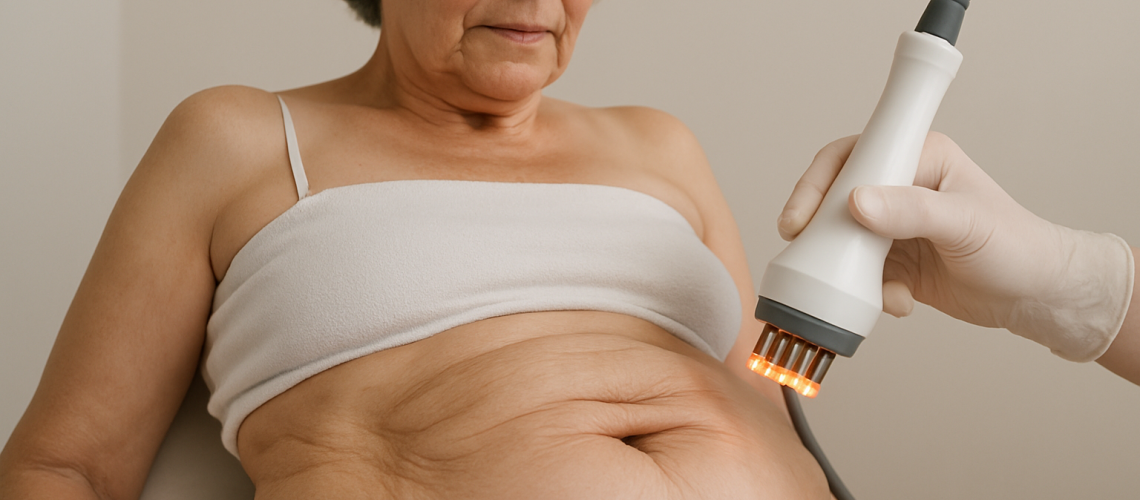
Losing a significant amount of weight is a major achievement. It can improve overall health, mobility, confidence, and quality of life. However, for some people, weight loss can leave behind loose or sagging skin that does not respond to diet and exercise.
This can be frustrating, especially when you have worked hard to achieve a healthier weight. While regular exercise can help strengthen muscles and improve body composition, it cannot always remove excess skin. This is where post-weight-loss body contouring may be considered.
Why Does Loose Skin Develop After Weight Loss?
Our skin has a natural ability to stretch and adapt as the body changes. When someone gains a significant amount of weight, the skin stretches to accommodate the increased body volume.
After substantial weight loss, the skin may not always return completely to its previous shape. Several factors can influence the amount of excess skin, including:
- The amount of weight lost
- How quickly the weight was lost
- Age and natural skin elasticity
- Genetics
- How long the skin remained stretched
- Overall lifestyle and skin health
For some individuals, loose skin may be relatively minor. For others, it can be more noticeable around the abdomen, arms, thighs, back, or other areas.
Can Diet and Exercise Tighten Loose Skin?
A healthy diet and regular physical activity remain important after weight loss. Strength training can help build muscle underneath the skin and create a more toned appearance.
However, exercise cannot physically remove significant amounts of excess skin. Similarly, maintaining a healthy diet supports skin and overall health but may not be enough to correct substantial skin laxity.
This is an important distinction: losing additional weight is not always the answer when the remaining concern is excess skin.
What Is Post-Weight-Loss Body Contouring?
Post-weight-loss body contouring refers to procedures designed to address excess skin and improve the shape and proportions of specific areas of the body after significant weight loss.
Depending on the individual’s anatomy and goals, body contouring may involve different procedures targeting areas such as the:
- Abdomen
- Arms
- Thighs
- Back
- Waist and flanks
- Breasts or chest area
The appropriate approach varies from person to person. A qualified specialist can assess the amount and location of excess skin and discuss suitable options.
When Might Body Contouring Be Considered?
Body contouring may be considered by individuals who have achieved a relatively stable weight but continue to have excess skin that affects their appearance, comfort, clothing choices, or daily activities.
Some people may also experience friction or irritation in areas where excess skin folds rub against each other.
Importantly, body contouring is not a replacement for weight loss. It is generally considered after significant weight loss when the primary concern is the remaining excess skin and body contour.
What Are the Potential Benefits?
For suitable candidates, body contouring may help create a more defined body shape by addressing areas of excess skin.
Potential benefits may include:
- Improved body contours
- Better-fitting clothing
- Reduced discomfort caused by excess skin in some cases
- Improved proportions between different areas of the body
- Greater confidence for some individuals
Results and experiences vary, so realistic expectations are an important part of the consultation process.
Why Is a Personalised Assessment Important?
There is no single body-contouring procedure that works for everyone.
Two people may lose a similar amount of weight but have very different amounts of excess skin because of differences in age, genetics, skin elasticity, body shape, and the location of weight loss.
During a consultation, a specialist can evaluate your individual concerns, discuss your goals, explain the available options, and help you understand the expected results, recovery, and potential risks.
What About Recovery?
Recovery depends on the specific procedure, the areas being treated, and individual healing factors. Patients should receive clear guidance about activity restrictions, wound care, follow-up appointments, and when they can gradually return to normal activities.
Understanding the recovery process before treatment can help patients make an informed decision and plan appropriately.
Choosing Body Contouring After Weight Loss
Reaching your weight-loss goal is something to be proud of. If loose skin remains, it does not mean that your efforts have failed. Excess skin can be a natural consequence of significant weight loss, and diet and exercise may not always be able to address it.
At Curves N Contours, the focus is on understanding each individual’s concerns and discussing personalised options for improving body contours. A professional consultation can help you determine whether body contouring is appropriate for your goals.
Take the Next Step
If you have achieved significant weight loss but are still concerned about loose or sagging skin, professional assessment can help you understand your options.
Curves N Contours can help you explore whether post-weight-loss body contouring may be suitable for your individual needs.
Your weight-loss journey may have changed your body. The right approach can help you feel more confident about the body you’ve worked hard to achieve.
FAQs About Post-Weight-Loss Body Contouring
1. What is post-weight-loss body contouring?
Post-weight-loss body contouring includes procedures designed to address excess or loose skin that may remain after significant weight loss. The specific procedure depends on the areas affected and the individual’s goals.
2. Can exercise remove loose skin after weight loss?
Exercise can strengthen the muscles underneath the skin and improve overall body composition, but it generally cannot remove significant amounts of excess skin.
3. How long should I wait after weight loss before considering body contouring?
It is generally recommended to reach a stable weight before considering body contouring. The appropriate timing can vary depending on individual circumstances, so a consultation with a qualified specialist is important.
4. Which areas can be treated with body contouring?
Depending on the individual’s needs, body contouring may address areas such as the abdomen, arms, thighs, back, waist, breasts, or chest.
5. Is body contouring a weight-loss treatment?
No. Body contouring is primarily intended to improve body shape and address excess skin. It is not a substitute for weight loss or a treatment for obesity.
6. Will body contouring leave scars?
Surgical body-contouring procedures generally involve incisions and therefore can result in scars. Their appearance can vary depending on the procedure, individual healing, and aftercare. Your specialist can explain the expected scar placement during consultation.
7. How long does recovery take after body contouring?
Recovery varies according to the procedure and the individual. Your specialist will provide specific instructions regarding rest, physical activity, wound care, and follow-up.
8. Is body contouring suitable for everyone after weight loss?
Not necessarily. Suitability depends on factors such as overall health, weight stability, skin condition, medical history, and individual expectations. A professional assessment is essential before deciding on treatment.
9. Can body contouring improve confidence after weight loss?
Some patients report feeling more comfortable and confident after addressing excess skin. However, results and individual experiences vary, so realistic expectations are important.
10. How can I know which body-contouring procedure is right for me?
The right procedure depends on the amount and location of excess skin, your body shape, health, and desired outcome. A personalised consultation at Curves N Contours can help you understand the available options and determine an appropriate treatment plan.