Rhinoplasty vs Septoplasty: What’s the Difference?
October 9, 2026
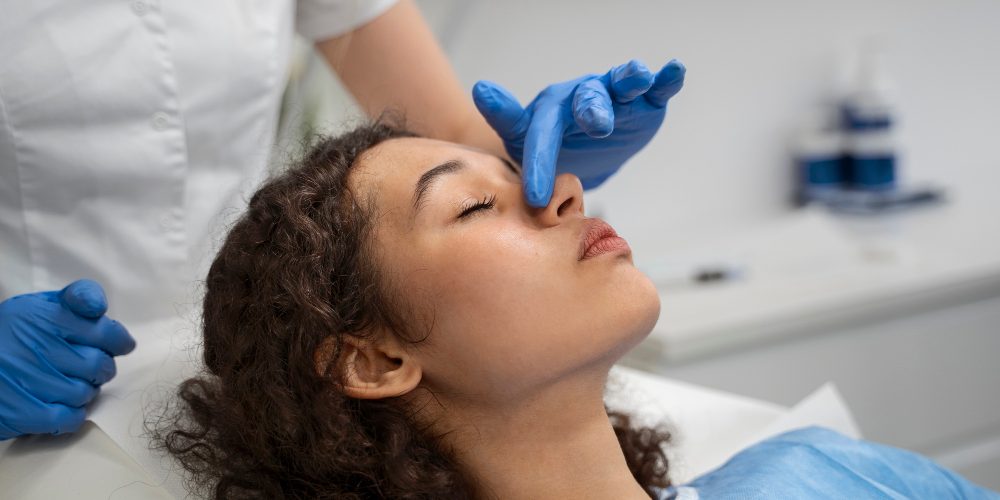
If you are thinking about nose surgery, you have probably come across two similar-sounding terms: rhinoplasty and septoplasty. People often use them as if they mean the same thing, but they treat different problems.
In short, rhinoplasty changes the shape of the nose, while septoplasty straightens the wall inside the nose to improve breathing. Some people need only one of them, and some benefit from having both together in a single operation, called sept rhinoplasty.
This guide explains each procedure in plain language, compares them side by side, and helps you work out which conversation to have with your surgeon.
What Is Rhinoplasty?
Rhinoplasty, commonly called a “nose job,” is surgery that reshapes the nose. It can change the size, the profile, the tip, the width of the nostrils or the overall balance of the nose with the rest of the face.
People choose rhinoplasty for several reasons:
- A prominent bump on the bridge of the nose
- A wide, drooping or bulbous tip
- A nose that looks too large, too small or out of proportion with the face
- Asymmetry or a crooked appearance
- Changes to the nose after an injury
- Breathing difficulty linked to the structure of the nose, which is called functional rhinoplasty
Rhinoplasty is performed in one of two ways. In open rhinoplasty, a small incision is made across the columella, the strip of tissue between the nostrils, which gives the surgeon a clear view of the structures. In closed rhinoplasty, all incisions are hidden inside the nostrils. The right approach depends on what needs to be corrected, and your surgeon will explain the reasons for their recommendation.
You can read about our approach on the rhinoplasty page.
What Is Septoplasty?
The nasal septum is the thin wall of bone and cartilage that divides the inside of your nose into two passages. In an ideal nose, the septum sits in the middle. In many people it is crooked, which is called a deviated septum. It can be present from birth, or it can result from an injury.
A mild deviation may cause no symptoms at all. A significant one can cause:
- Difficulty breathing through one or both nostrils
- Frequent nasal congestion
- Recurring sinus infections
- Nosebleeds
- Snoring or disturbed sleep
- A feeling of facial pressure
Septoplasty corrects this problem. The surgeon works from inside the nose, so there are usually no visible external incisions. The crooked cartilage and bone are repositioned or trimmed so that the septum sits straight and air can flow freely. Because it works inside the nose, septoplasty on its own does not change how your nose looks from the outside.
Rhinoplasty vs Septoplasty: Side-by-Side Comparison
| Rhinoplasty | Septoplasty | |
| Main goal | Change the appearance of the nose (and sometimes improve breathing) | Straighten the septum to improve breathing |
| Type of problem | Mostly cosmetic; sometimes functional | Functional (medical) |
| Changes the outside of the nose? | Yes | No |
| Where the surgeon works | Inside the nose, and sometimes through a small external incision | Inside the nose only |
| Typical anaesthesia | Usually general anaesthesia | Local or general anaesthesia, depending on the case |
| Typical duration | Often 1.5 to 3 hours, depending on complexity | Often under 1.5 hours |
| Visible swelling and bruising | More noticeable | Usually milder |
| Insurance (India) | Cosmetic rhinoplasty is usually not covered | May be covered when medically necessary; check your policy |
These are general guides. Your own surgery time and recovery depend on your anatomy and the surgical plan.
Can You Have Both Together? Septorhinoplasty
Yes. Many people have both a deviated septum and a nose shape they would like to improve. In that case, the surgeon can perform septorhinoplasty, which combines both procedures in one operation.
Doing both at once has practical advantages. You go through one anaesthetic and one recovery period, and the surgeon can plan the structure inside and the shape outside together. This matters because the septum is also the cartilage source and the structural support for the nose. Changes to one often affect the other.
Which One Do You Need?
A rough guide:
- You are happy with how your nose looks but struggle to breathe: you may need septoplasty.
- You breathe fine but want to change the shape of your nose: you may need rhinoplasty.
- You want both a better shape and better breathing: you may be a candidate for septorhinoplasty.
Only an in-person examination can confirm this. Many people assume their problem is cosmetic when a breathing issue is also present, and the reverse is true as well. A proper assessment looks at the inside of the nose as well as the outside.
What to Expect During Recovery
Recovery varies from person to person, but a typical pattern looks like this.
After septoplasty: Most people feel congested for the first week or two. Soft splints or packing may be placed inside the nose and removed within a few days. Many people return to desk work within about a week, though strenuous activity should wait until your surgeon approves it.
After rhinoplasty: Swelling and bruising around the nose and eyes are common in the first one to two weeks. A splint is usually worn on the outside of the nose for about a week. Most visible swelling goes down over several weeks, but subtle swelling, especially at the tip, can take many months, and sometimes up to a year, to settle fully. This means the final result takes time to appear.
For both procedures, you will usually be asked to:
- Keep your head elevated, especially while sleeping
- Avoid blowing your nose for the period your surgeon advises
- Avoid heavy exercise and contact activities for several weeks
- Avoid wearing glasses that rest on the nose bridge until cleared
- Attend all follow-up appointments
Risks and Considerations
Every surgery carries risks, and an honest consultation should discuss them. General risks include bleeding, infection, reactions to anaesthesia, scarring, and results that differ from what was planned. Rhinoplasty carries the additional possibility of asymmetry or the need for a revision procedure. Septoplasty can occasionally leave a small hole in the septum (a perforation) or cause persistent breathing problems.
Choosing a qualified, experienced surgeon is the best way to reduce these risks. Smoking can slow healing and increase complications, so you will usually be advised to stop well before surgery.
Rhinoplasty is generally recommended only after the nose has finished growing, which is typically in the mid to late teens. Your surgeon will advise on timing.
How Curves ‘n’ Contours Can Help
At Curves ‘n’ Contours in Amritsar, every procedure begins with a detailed consultation. Our team of qualified plastic surgeons will examine your nose, listen to your goals, explain what is realistic, and recommend a plan suited to your anatomy. Patient safety, standardised protocols and clear communication guide our care.
During your visit, you can expect to:
- Discuss your concerns and expectations openly
- Have your nose examined, inside and out
- Learn which procedure, or combination, is appropriate, and what recovery involves
- Review before and after results of previous patients
- Receive clear answers on risks, timelines and costs, with no pressure to decide
If you are also considering other facial procedures, you can learn about facial contouring and genioplasty, which are often discussed alongside nose surgery to achieve facial balance.
Frequently Asked Questions
Is septoplasty a cosmetic procedure?
No. Septoplasty is primarily a functional procedure that improves breathing. It does not change how the nose looks from the outside.
Does rhinoplasty fix a deviated septum?
Standard cosmetic rhinoplasty reshapes the nose but does not necessarily correct the septum. If you have both concerns, septorhinoplasty addresses both together.
Which is more painful, rhinoplasty or septoplasty?
Most patients describe the experience as pressure and congestion more than sharp pain, and discomfort is managed with medication. Rhinoplasty generally involves more swelling and bruising than septoplasty.
How long does it take to see the final result of rhinoplasty?
Most swelling settles within a few weeks, but the final refined shape can take up to a year to appear.
Will insurance cover my surgery?
Policies differ. Septoplasty done for a medical breathing problem is more likely to be covered than a cosmetic rhinoplasty. Check your policy and ask our team for documentation.
Can I have rhinoplasty and septoplasty at the same time?
Yes. This combined operation is called septorhinoplasty and is common.
At what age can I have nose surgery?
Generally after the nose has stopped growing, usually in the mid to late teens. Your surgeon will confirm what is right for you.
Book Your Consultation
Whether you want a nose that looks the way you imagine, breathes the way it should, or both, the first step is a conversation with an experienced surgeon.
Curves ‘n’ Contours
2376, C Block, Ranjit Avenue, Amritsar, Punjab 143001
Phone: 7888315588, 9815917064
Hours: Monday to Saturday, 10:00 AM to 7:00 PM (Sunday by appointment)